Key Takeaways
- First impressions of a home are formed within seconds, and small exterior upgrades often influence buyers more than major renovations
- A freshly painted front door, clean walkways, and tidy landscaping can transform a home’s look for under a few hundred dollars
- Pressure washing siding, driveways, and walkways instantly removes years of grime without requiring any permanent changes
- Strategic lighting adds warmth, safety, and visual appeal, especially solar-powered options that eliminate wiring costs
- Swapping outdated hardware like house numbers, mailboxes, and porch fixtures delivers a modern facelift for minimal spend
- Landscaping investments offer some of the strongest returns of any exterior improvement
- Regular maintenance like weeding, trimming, and cleaning gutters keeps your home looking cared for year-round
Picture this: someone drives past your house for the very first time. Within about seven seconds, they’ve already formed an opinion. They’ve judged whether it looks welcoming, whether it seems well cared for, and whether they’d want to stop and knock on the door. That snap judgment happens whether the visitor is a friend, a neighbor, a delivery driver, or a potential buyer.
The front of your home is doing silent work every single day. It tells a story about how you live, what you value, and how much attention you pay to the little things. And here’s the good news for anyone feeling overwhelmed by the idea of exterior upgrades: you don’t need a massive renovation budget to change that story. You just need a smart plan and a willingness to focus on the details that matter most.
This guide is built for complete beginners. If you’ve never held a paint roller, never planted a shrub, and never thought twice about your mailbox, you’re in the right place. We’ll start with the basics and build up to a full toolkit of simple, affordable fixes that make a visible difference.
Why the Exterior of Your Home Matters More Than You Think
Before diving into specific projects, it helps to understand why the outside of your house deserves so much attention. The exterior is the first and sometimes only thing people see. It sets expectations for everything inside. A tired, neglected facade signals that the rest of the home might be the same. A crisp, cared-for exterior does the opposite.
The financial case is just as strong. According to a study from the University of Texas at Arlington, homes with attractive exteriors tend to sell for roughly 7% more than comparable properties nearby. That’s not a small difference. On a modest home, it can translate to thousands of extra dollars at closing. Even if you’re not selling, that same visual quality keeps your property value steady and makes you enjoy coming home every day.
Real estate professionals know this well. Research shared by the National Association of Realtors shows that nearly all realtors believe strong curb appeal brings in better buyers, with reported returns sometimes reaching around 238% on exterior improvements. Few home projects offer those kinds of numbers.
Starting With the Front Door and Entryway
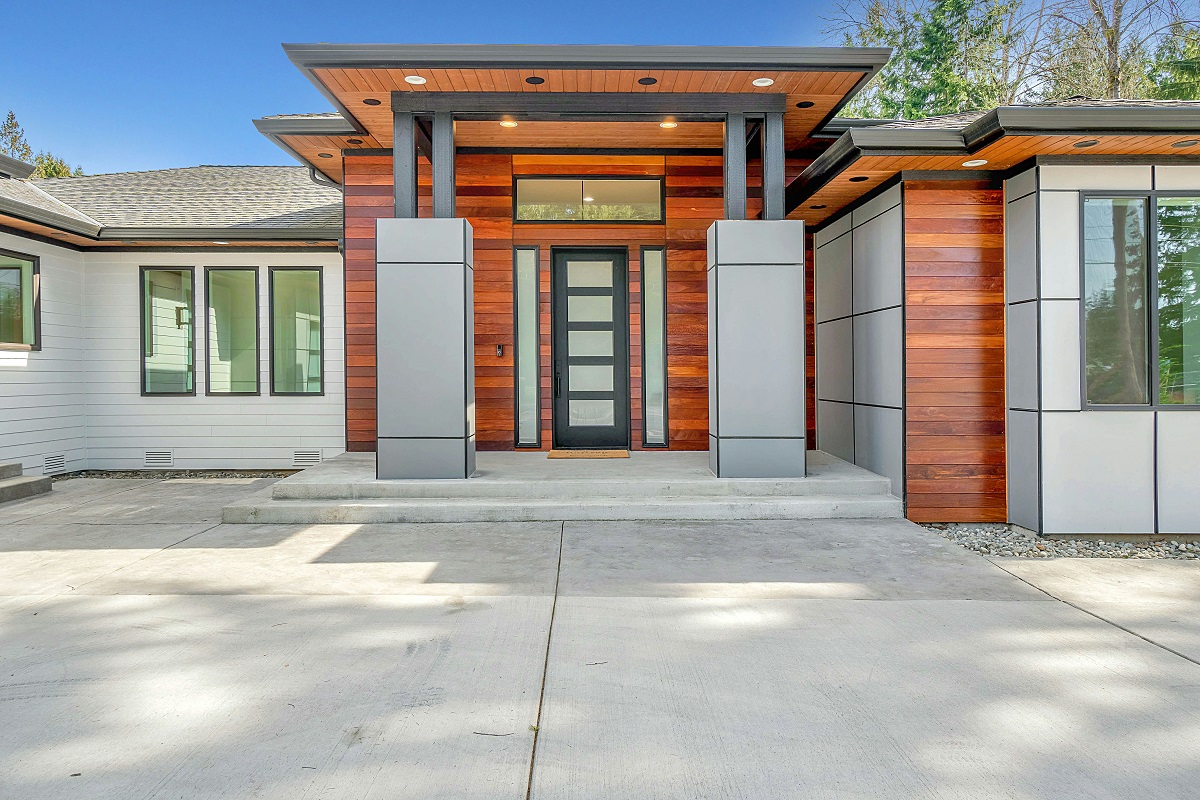
If you have to pick one place to begin, start at your front door. It’s the focal point of your entire facade. Everything else your eye takes in gets filtered through this single feature. A dull, weathered door drags down everything around it. A bold, well-maintained one lifts it all up.
The most powerful change you can make here is a fresh coat of paint. Pick a color that stands out but still complements your siding. Deep navy, rich black, forest green, and classic red all tend to perform well. A quart of quality exterior paint runs around twenty to forty dollars, and the whole project takes an afternoon.
Beyond paint, think about the full entry experience. Here are the pieces worth refreshing:
- A new welcome mat that looks clean and inviting
- Updated house numbers in a modern finish like matte black or brushed brass
- A replacement doorknob and deadbolt in a coordinating style
- A simple potted plant or two flanking the door
- A new porch light fixture if the current one looks dated
Picking Hardware That Looks Expensive but Isn’t
Hardware is one of those details beginners often overlook. Builders tend to install the cheapest options available, which means swapping them out almost always feels like an upgrade. Look for finishes that feel current. Matte black is having a long moment. Brushed nickel reads timeless. Oil-rubbed bronze adds warmth. Stick with one finish across your door hardware, house numbers, and light fixtures for a polished, intentional look.
How to Improve Curb Appeal on a Budget Without Overthinking It
Here’s where many homeowners get stuck. They either try to do everything at once or do nothing because they don’t know where to start. The secret to figuring out how to improve curb appeal on a budget is to focus on cleaning and refreshing before buying or building anything new. You’ll be shocked at what already looks good once the grime is gone.
Rent a pressure washer for a weekend. Most hardware stores offer them for around fifty to seventy dollars per day. Blast the dirt off your siding, driveway, walkways, porch, and fencing. Years of mildew and buildup will disappear in hours. Suddenly your house looks painted even though you didn’t touch a brush.
After that, tackle the small stuff that signals neglect:
- Replace any burned-out exterior light bulbs
- Clean the gutters and downspouts
- Wash the windows, inside and out
- Re-caulk around door and window frames where needed
- Oil squeaky hinges on gates and doors
- Sweep cobwebs from porch corners and eaves
None of these cost much. All of them signal care. And care is what visitors and buyers respond to most. In fact, the National Association of Realtors reports that a striking 92% of agents suggest tidying up the exterior before listing a home for sale.
Landscaping Moves That Punch Above Their Weight
You don’t need to be a master gardener to make your yard look great. You just need to understand a few principles. Plants give a home life. Mulch gives beds a finished, intentional look. Edges and lines tell the eye that someone is paying attention. Get these three right and your landscaping will read as professional even if you did it yourself.
Start by cleaning up what’s already there. Pull weeds. Trim overgrown shrubs into tidy shapes. Rake out dead leaves and debris. Then add a fresh layer of mulch to all your garden beds. A few bags of dark hardwood mulch cost around thirty to fifty dollars and instantly make everything look crisper.
Choosing Plants That Survive Beginner Mistakes
If you’ve never kept a plant alive, don’t start with anything fussy. Beginner-friendly options include boxwood, hostas, daylilies, lavender, and ornamental grasses. These plants tolerate uneven watering, varied sun conditions, and the occasional skipped weekend of care. Group them in odd numbers, three or five at a time, since clusters look more natural than single plants scattered around.
Pay attention to scale as well. A tiny shrub in front of a two-story home gets lost. A massive bush under a small window swallows it. Match the size of your plantings to the size of the feature behind them, and you’ll avoid the awkward look that trips up most first-time landscapers.
Lighting That Changes the Whole Mood
Exterior lighting is one of those upgrades that quietly does enormous work. During the day it adds architectural interest. At night it transforms your home into something that feels warm and inviting from the street. The best part for beginners is that solar-powered options have come a long way, which means you can line a walkway or highlight a tree without hiring an electrician or digging trenches for wiring.
A few placements tend to give the biggest payoff:
- Path lights along walkways and driveway edges
- Uplights aimed at mature trees or interesting architectural features
- A pair of matching lanterns or sconces flanking the garage
- String lights across a porch or pergola for a soft evening glow
- A brighter fixture over the front door for safety and visibility
Warm white bulbs in the 2700K to 3000K range flatter a home better than cool white or daylight bulbs, which can feel harsh and clinical outside. If you already have fixtures but hate the light they throw, sometimes swapping bulbs is the only change you need.
The Driveway, Garage, and Fence Trio
These three features cover a huge portion of what people see from the street, yet they’re often the most ignored. A stained driveway, a dented garage door, and a leaning fence can undo all the hard work you’ve put into your entryway and landscaping. Fortunately, you don’t need to replace any of them to see a dramatic improvement.
For the driveway, pressure washing handles most of the visual damage. If you have asphalt, a fresh seal coat every few years keeps it looking rich and black for under a hundred dollars in materials. Concrete driveways benefit from targeted stain removal and, if cracks are small, a tube of concrete filler smooths things out quickly.
Garage doors are the single largest visual element on many homes. If yours is scuffed or faded, a light sanding and a coat of exterior paint can make it look brand new. Adding decorative hardware like magnetic handles and faux hinges gives a plain door the look of a custom carriage style for under fifty dollars. For a deeper look at how these features work together, this guide on garage, driveway, and security improvements walks through planning the whole package without overspending.
Fencing is often just a matter of cleaning, straightening, and refreshing. Wood fences benefit from a quick wash and a coat of stain or sealer. Vinyl fences come back to life with soap and water. Metal fences need rust spots sanded and touched up with matching paint.
Mailbox and Address Details Nobody Notices Until They’re Nice
The mailbox sits at the edge of your property and is one of the first things a visitor’s eye lands on. A rusted, crooked, or faded one tells a story you probably don’t want told. A new mailbox costs anywhere from forty to a hundred and fifty dollars, and installation takes about an hour with basic tools. Pair it with a small planting bed at its base and you’ve turned a utility item into a design feature.
House numbers deserve the same treatment. Oversized modern numerals in a finish that matches your door hardware read as a thoughtful design choice rather than an afterthought. Mount them vertically next to the door, horizontally above the garage, or on a dedicated plaque near the entry.
Seasonal Touches That Keep Things Fresh
One of the easiest ways to make a home always feel current is to rotate small seasonal elements. You don’t need to go overboard with decorations. A single wreath on the door, a seasonal doormat, and a planter or two filled with plants that suit the time of year do plenty of work.
In spring, think tulips, pansies, and bright greenery. Summer welcomes geraniums, petunias, and lush ferns. Fall calls for mums, pumpkins, and warm-toned foliage. Winter looks great with evergreen clippings, berries, and simple white lights. Spending twenty or thirty dollars a few times a year keeps your facade from ever feeling stale.
Maintenance Habits That Protect Everything You’ve Done
Once you’ve put effort into refreshing your exterior, the goal shifts to keeping it that way. Maintenance isn’t glamorous, but it’s what separates homes that always look good from homes that look great for a month and then slide back. Build a simple seasonal routine and you’ll rarely face a big cleanup project again.
- Walk the perimeter of your home once a month and look for anything out of place
- Pull weeds as soon as you see them rather than waiting for them to take over
- Touch up paint chips on the door and trim before they spread
- Clear gutters twice a year, usually spring and fall
- Trim shrubs and trees before they outgrow their space
- Replace any dead plants quickly so empty spots don’t drag down the whole bed
These habits take minutes rather than hours when done regularly. Skip them for a season and they turn into weekend-long projects.
Final Thoughts
Transforming the outside of your home doesn’t require a contractor, a loan, or a design degree. It requires attention, a willingness to start small, and the patience to tackle one project at a time. The homeowners whose houses always seem to look wonderful aren’t spending fortunes. They’re cleaning what’s dirty, refreshing what’s faded, and paying attention to the details most people walk right past.
If you take nothing else from this guide, take this: start with cleaning, then move to refreshing, and only then consider adding anything new. That order saves money, prevents waste, and lets you see how much potential your home already has before you invest in upgrades. Most beginners are shocked at how much changes with a pressure washer, a quart of paint, and an afternoon of yard work.
The exterior of your home is a long conversation between you and everyone who passes by. Keep it warm, keep it tidy, and keep it personal. Those three qualities beat any expensive renovation, and they’re within reach of anyone willing to roll up their sleeves and get started this weekend.