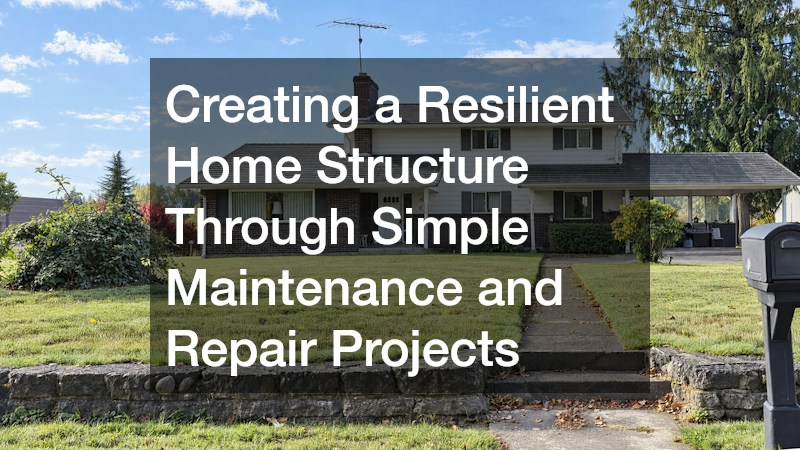
Improving areas around a home can support daily convenience, long-term property care, and comfortable indoor and outdoor spaces. Garages, driveways, fences, entry points, and other exterior features serve practical purposes but require attention as materials age and household needs change. Careful planning can help homeowners avoid rushed decisions and coordinate work logically.
A strong improvement plan starts by identifying areas affecting safety, access, storage, vehicle use, and maintenance. Some projects may focus on appearance, while others address cracks, worn surfaces, damaged doors, or weak perimeter protection. Because many upgrades overlap, homeowners can save time by evaluating the property as a whole instead of treating every issue separately. The following sections explain how to approach garage, driveway, fencing, and security improvements while considering materials, timing, maintenance, and professional support.
Start With a Full Property Assessment
Before scheduling any major work, walk through the property and make a detailed list of visible concerns. Look at the garage floor, driveway surface, fencing, gates, garage door, walkways, and exterior entry points. Small issues can reveal larger maintenance needs, especially when cracking, moisture, corrosion, loose hardware, or uneven surfaces are present.
Separate observations into categories such as urgent repairs, preventive maintenance, appearance upgrades, and future projects. A garage door that no longer closes properly deserves faster attention than a faded driveway, while a damaged fence panel near a pool or play area may also need to move to the top of the list. Prioritizing by function and safety makes it easier to decide where to invest first.
Homeowners should also consider how one project may affect another. For example, driveway work may change drainage patterns near the garage, while a new fence could alter vehicle access or equipment placement. Planning improvements together helps contractors work around completed surfaces and reduces the chance that one project damages another.
Take measurements, photos, and notes during the assessment. These records can make contractor conversations more productive by providing clear information about existing conditions. They can also help homeowners compare changes over time and recognize whether cracks, shifting, or surface damage are getting worse.

Plan Garage Flooring for Durability and Daily Use
Garage floors handle vehicles, storage, foot traffic, moisture, dirt, and occasional chemical exposure. Over time, untreated concrete may develop stains, small cracks, surface wear, or dusting. Homeowners who want to refresh the space should first decide whether the goal is basic protection, easier cleaning, improved appearance, or a combination of those benefits.
Those considering a do-it-yourself coating project may research epoxy flooring supplies before getting started. Surface preparation is especially important because coatings generally perform better when the concrete is clean, dry, properly profiled, and free of loose material. Homeowners should also pay attention to curing requirements, temperature ranges, ventilation, and product compatibility.
For larger spaces or floors with significant damage, local garage flooring services may provide a more practical option. Professionals can evaluate the slab, repair problem areas, prepare the surface, and recommend a coating system suited to the garage’s conditions. Some systems are designed to resist tire pickup, abrasion, staining, or moisture-related issues better than basic paint.
The garage’s purpose should also influence material choices. A workshop may need a different finish than a space used mainly for parking and storage. Slip resistance, brightness, cleaning needs, and the amount of direct sunlight near the door can all affect which flooring approach makes sense.
Homeowners should complete major slab repairs before applying a decorative coating. Covering active cracks or unstable concrete without correcting the underlying issue can shorten the life of the finished surface and create more work later.
Address Worn Concrete Before Cosmetic Upgrades
Concrete around a home can deteriorate because of weather exposure, moisture, freeze-thaw cycles, heavy loads, settlement, and age. Driveways, garage aprons, patios, and walkways may eventually show cracks, pitting, scaling, or uneven coloration. Before replacing an entire surface, homeowners can ask whether repair or restoration is a reasonable alternative.
In some situations, concrete resurfacing services can restore the top layer of a structurally sound slab. Resurfacing may improve appearance and provide a more uniform finish without requiring complete removal and replacement. However, it is not a solution for every problem. Deep structural cracks, major settlement, severe heaving, or widespread base failure may require more extensive work.
A professional evaluation can help distinguish cosmetic damage from structural concerns. Homeowners should ask what caused the deterioration, how the surface will be prepared, what repairs are needed beforehand, and how long the new finish is expected to last under normal use.
Drainage should be part of the discussion as well. Water that repeatedly collects near a driveway, walkway, or garage can contribute to deterioration. Downspouts, grading, soil conditions, and nearby landscaping may need attention before resurfacing begins.
Color and texture options can also affect the finished project. Decorative overlays, broom finishes, and other surface treatments may improve traction or complement the home’s exterior. Even when appearance is a priority, durability and water management should come first so the upgraded surface performs well over time.

Evaluate Garage Doors for Repair or Replacement
Garage doors are among the largest moving components in many homes, and regular operation places stress on springs, rollers, tracks, hinges, cables, openers, and panels. Changes in sound, movement, balance, or closing behavior can indicate that the system needs attention.
Homeowners may need garage door repairs when a door becomes noisy, moves unevenly, reverses unexpectedly, develops damaged hardware, or no longer seals properly. Some problems are relatively minor, while others involve components under significant tension. Because springs and cables can cause serious injury if handled incorrectly, certain repairs are better left to trained professionals.
In other cases, garage door installations may make more sense than continued repair. Replacement can be worth considering when a door has extensive panel damage, outdated safety features, poor insulation, recurring mechanical problems, or widespread deterioration. A new door can also change the home’s exterior appearance and improve how the garage functions.
When comparing options, homeowners should consider material, insulation value, maintenance requirements, window placement, opener compatibility, and local climate conditions. The weight of a replacement door may also affect spring and opener requirements.
Routine maintenance can help extend the life of the system. Visual inspections, cleaning tracks, checking weather seals, testing safety reversal features, and scheduling professional service when movement changes can help homeowners catch issues before a complete failure interrupts access to the garage.
Coordinate Driveway Repairs With Other Exterior Work
A driveway is both a functional surface and a major visual element of the property. Cracks, potholes, raveling, drainage problems, and faded surfaces can develop gradually, so homeowners should evaluate the driveway while planning other exterior improvements.
For asphalt surfaces with significant deterioration, an asphalt paving company can evaluate whether patching, resurfacing, or full replacement is appropriate. The recommendation will depend on the condition of the existing pavement, the stability of the base, drainage, age, and the extent of visible damage. Homeowners should ask how the contractor will prepare the area and whether changes to grading or water flow are necessary.
Concrete driveways require a different approach. Local concrete driveway contractors can assess cracking, settlement, joint conditions, surface wear, and load demands. Depending on the damage, options may include targeted repair, slab replacement, leveling, resurfacing, or a complete new installation.
Timing matters when driveway work overlaps with garage, landscaping, or fencing projects. Heavy equipment used for one job can damage a newly finished surface. It may be smarter to complete excavation, fence installation, drainage work, or major garage construction before final paving or concrete finishing.
Access planning is important too. Families should know how long vehicles must remain off the driveway and where they can park during curing or sealing. Clear scheduling can reduce inconvenience and protect the new surface during its most vulnerable stage.

Use Preventive Maintenance to Extend Driveway Life
Not every driveway improvement requires a major construction project. Preventive maintenance can help slow deterioration, protect the surface, and make small problems easier to manage before they become expensive repairs.
For asphalt driveways, driveway sealing contractors may recommend sealing after the pavement has had sufficient time to cure and when weather conditions are suitable. Sealcoating can help protect the surface from water, sunlight, oxidation, and everyday wear. It can also refresh the appearance of faded pavement, although it should not be used as a substitute for repairing structural damage.
Cracks should generally be addressed before sealing because water can enter openings and contribute to base problems or freeze-thaw damage. Homeowners should ask what crack-filling materials will be used and how the surface will be cleaned before work begins.
Concrete driveways may need other maintenance methods, including cleaning, joint repair, crack treatment, or application of an appropriate penetrating sealer. The right approach depends on the type of concrete, its age, local weather, and previous treatments.
Simple habits also matter. Avoiding prolonged chemical spills, keeping drainage paths clear, removing vegetation from cracks, and limiting unusually heavy loads can reduce unnecessary wear. Regular inspections after winter or severe storms can help families catch new damage early.
Preventive maintenance works best when it is scheduled based on actual surface condition rather than appearance alone. A contractor can help determine whether maintenance, repair, or replacement offers the most practical long-term solution.
Improve Fencing and Entry Security Together
Fencing can define property boundaries, add privacy, guide pets and children, and control access to parts of the yard. When homeowners are already planning exterior improvements, it makes sense to evaluate fencing and entry security at the same time.
Security fence contractors can help homeowners compare fence heights, materials, gate configurations, visibility, durability, and maintenance requirements. The right design depends on the property’s layout and the family’s goals. A front boundary may need a different balance of visibility and access than a backyard fence surrounding a pool, garden, or play area.
Gate placement deserves careful thought. Gates should support normal foot traffic, lawn equipment, deliveries, emergency access, and vehicle movement where applicable. Hardware should also match the expected level of use. Latches, hinges, locks, and automated gate components can wear over time, especially in areas exposed to moisture or temperature changes.
Home security planning also includes doors, locks, and access points. Professional key services may be useful when homeowners move into a property, replace exterior doors, lose keys, or want to rekey locks so older keys no longer work. Depending on the home, families may also consider deadbolts, keypad locks, reinforced strike plates, lighting, cameras, or doorbell systems.
Security improvements should remain practical for daily life. The goal is not to make normal access difficult, but to create clear boundaries and reliable entry systems that family members can use consistently.

Build a Project Schedule and Maintenance Plan
Once homeowners understand the condition of each area, they can create a realistic project schedule. Start by placing safety concerns, water problems, access issues, and structural repairs ahead of purely decorative upgrades. Then organize the remaining work based on budget, contractor availability, seasonal conditions, and how each project interacts with the next.
It may help to group projects by location. Garage flooring, garage door work, and driveway repairs often affect the same access zone, while fencing, gates, lighting, and lock updates may be coordinated as part of a broader perimeter plan. Grouping related work can reduce repeated disruption and make it easier to protect completed improvements.
Homeowners should collect detailed estimates that describe materials, preparation, labor, cleanup, warranties, and expected timelines. Comparing only the final price can overlook meaningful differences in scope. Ask contractors what is included, what could lead to additional charges, and what maintenance will be required after the project is finished.
Keep permits, invoices, product information, warranty documents, paint or coating details, and maintenance recommendations in one place. These records can be helpful when scheduling future service or explaining previous work to another contractor.
Finally, create a seasonal inspection routine. Check pavement, concrete, fences, gates, garage doors, locks, seals, and drainage at least periodically and after severe weather. A well-organized approach allows homeowners to address small issues sooner, protect completed upgrades, and keep the property functional for the people who use it every day through changing seasons.