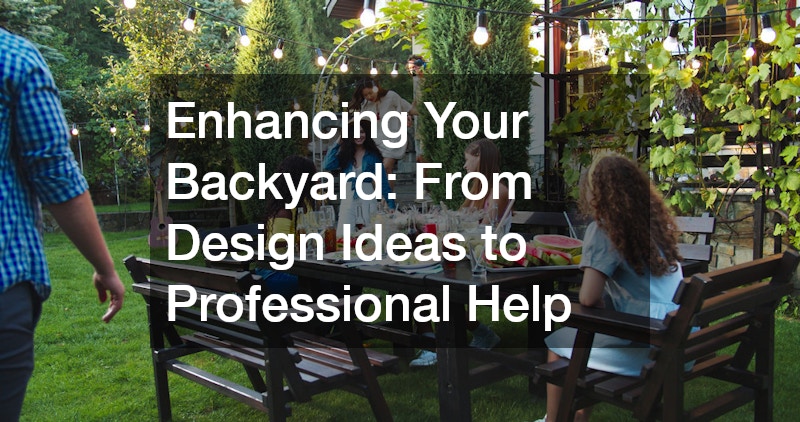
In this article, we will explore the process of setting achievable goals to create a functional and visually appealing landscape. We’ll address various aspects, answering common queries and giving you a structured approach to enhance your outdoor space. Whether you are consulting with a professional landscape contractor or embarking on a DIY project, understanding these fundamentals can be invaluable.
1. What are the key considerations for designing a landscape?
1.1 Understanding Your Needs and Preferences
It is crucial to start by understanding your specific needs and preferences for your landscape. Consider the functionality you want from your outdoor space, such as whether it will serve as an outdoor wedding venue or a peaceful relaxation oasis. Identifying these elements ensures that the final design aligns with your lifestyle and aesthetic goals.
Seasonal changes and cultural influences can further affect your landscape choices. Think about the use of colors, plant types, and structures that suit your climate and personal taste. Consultation with experienced deck companies may provide additional insights into styles and functional possibilities.
Integrate features that cater to specific purposes, such as zones for children to play, areas for entertaining, or quiet corners for meditation. This holistic approach to landscaping can optimize the space and enhance the quality of outdoor living. Landscaping contractors can be invaluable partners in bringing these elements together professionally and effectively.
1.2 Evaluating Your Property’s Potential
Understanding the potential of your property involves assessing its existing features and conditions. Consider factors such as the topography, soil quality, and existing vegetation when planning your landscape layout. Utilize professional landscapers, such as those from experienced landscaping contractors, to gain insights into maximizing your property’s strengths.
It is crucial to map out the areas that receive full sun, shade, or are prone to water accumulation. This knowledge will guide decisions on plant placement and the selection of appropriate features or structures. Often, proper evaluation can reveal opportunities for improvements like water features or recreational areas, pushing a property’s charm to new heights.
Creating a landscape plan that accounts for future growth and seasonal variations is essential. A landscaping contractor can assist with visualizing long-term development, allowing you to incorporate features that harmonize with both natural elements and human activities. Collaborative planning sets a solid foundation for a truly functional and attractive landscape.
1.3 Recognizing Budget and Resources Limitations
Financial and resource limitations are common constraints in any landscaping project. Begin by setting a realistic budget that covers not just initial design and installation but also ongoing maintenance and unexpected repairs. Allocating resources wisely helps avoid incomplete projects and ensures that all elements of the landscape are functional and well preserved.
It’s beneficial to prioritize essential features, like core structures or immediate functional needs, over purely aesthetic elements. By focusing on foundational aspects such as soil preparation or essential infrastructure, you position yourself to expand the landscape over time as finances and resources allow. Pool contractors can offer valuable advice on integrating luxury features within a limited budget.
Engage local services, such as electrical companies or deck companies, to handle specialized installations that require technical expertise. This approach not only helps adhere to safety standards but can often be more cost-effective in the long term. Systematic planning under these constraints leads to a gratifying landscape that evolves with your resources and vision.
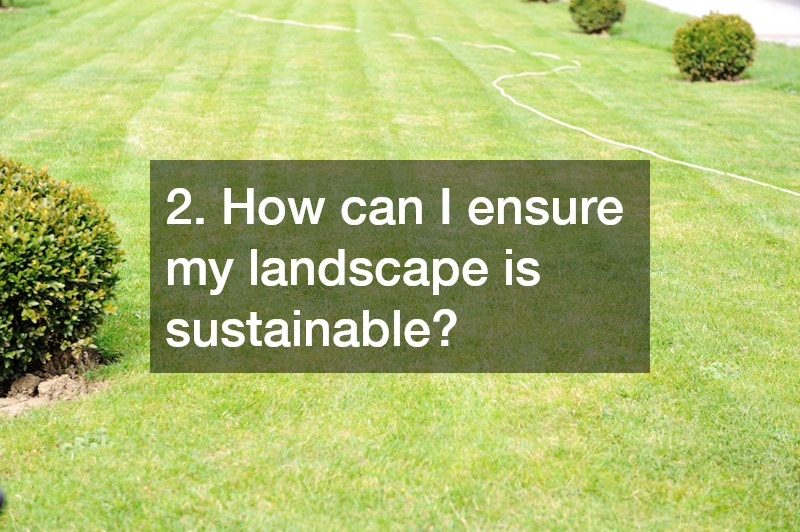
2. How can I ensure my landscape is sustainable?
2.1 Selecting Native and Adapted Plants
Incorporating native plants into your landscape design is a sustainable choice that complements the local ecosystem. These plants require less water, resist local pests, and are more likely to thrive without extensive intervention. Consulting with local botanists or landscaping contractors can help identify species that naturally enrich your region’s biodiversity.
Adapted plants, though not native, can also be effective in sustainable landscaping when chosen wisely. They often share characteristics with native flora, such as similar water and soil requirements. By integrating these plants thoughtfully, you promote an environment that can support diverse wildlife, such as birds and bees.
Balancing the planting of native and adapted species with aesthetic considerations yields a landscape that is not only beautiful but ecologically responsible. This balance reduces the need for chemical fertilizers and excessive watering, contributing to an environmentally friendly and cost-effective landscaping approach over time. Pool heater repair experts can ensure that any aquatic features harmonize with eco-friendly plant life.
2.2 Implementing Water-Efficient Practices
Water conservation is a critical component of sustainable landscaping. Techniques such as drip irrigation and rainwater harvesting can significantly reduce dependency on municipal water supplies. Smart irrigation systems, available through landscaping contractors, provide even greater efficiency with timed and targeted water delivery.
Consider the strategic use of mulch and soil amendments to enhance moisture retention in plant beds. These materials act as insulators, reducing evaporation and maintaining root moisture longer during dry periods. Collaborating with experienced deck companies or gardener services can offer additional strategies for optimizing water use.
Incorporate drought-resistant plants and xeriscaping in your landscape to minimize watering needs while maintaining visual appeal. These elements add unique texture and color, crafting an environment that respects both natural resources and aesthetic goals. Raccoon removal firms should be considered when choosing such plants, ensuring that they do not inadvertently attract unwanted wildlife.
2.3 Promoting Soil Health
Healthy soil is the foundation of any thriving landscape, influencing plant growth, water retention, and nutrient cycling. Regular soil testing should be conducted to determine pH levels and identify nutrient deficiencies. Landscaping contractors can recommend organic amendments that enrich soil naturally, fostering sustainable soil health.
Practices like composting and mulching contribute significant organic material to the soil, promoting beneficial microorganisms and maintaining soil structure. These steps not only improve fertility but also enhance the soil’s ability to retain moisture and prevent erosion. Working with an electrical company can facilitate the installation of composting units with efficient resource management.
Diversifying plant types and integrating companion planting techniques can further sustain soil vitality by controlling pests naturally and enhancing nutrient availability. This thoughtful approach to plant selection and care supports a dynamic and fertile landscape environment. A comprehensive maintenance plan developed with a landscaping contractor can ensure these practices are consistently applied for lasting results.
3. What are effective ways to incorporate color in my landscape?
3.1 Choosing a Color Scheme
Selecting a color scheme is an artful process that enhances the landscape’s visual appeal. Consider the colors already present in your home’s exterior and the surrounding environment to create a cohesive look. Harmonious color schemes can produce serene environments, while contrasting colors generate energy and visual interest.
Bold primary colors can create focal points, drawing attention to specific areas within the landscape. Using a color wheel, experiment with complementary colors to find desirable combinations that fit personal preferences. A landscaping contractor can provide samples or images of similar landscapes to guide your decision-making process effectively.
Neutral colors, like greens and browns, set a natural backdrop that highlights vibrant flowers and structures. These neutrals can be strategically used to balance bolder elements, creating a landscape pleasing to the eye. Many deck companies offer color coordination consultations to help match your deck to your chosen landscape palette, enhancing overall coordination and aesthetics.
3.2 Plant Selection and Placement
Thoughtful plant selection and placement contribute essential pops of color to your landscape design. Choose plants with colors that complement your established scheme, considering blooms, foliage, and even bark as color sources. Knowing the specific growing periods of desired plants ensures a steady flow of color throughout the year.
Perennials, as perennial favorites, offer reliable seasonal color annually, while annuals provide lushness and quick-growing options. Incorporate both into your plans for a dynamic and colorful landscape. Pool contractors can advise on plants that can add vibrancy around water features or poolside, enhancing recreational areas with natural beauty.
Strategically placing plants in clusters or layers allows colors to blend seamlessly, drawing the eyes naturally across the landscape. Experiment with different heights and textures, such as low ground covers and towering trees, for an engaging visual experience. Combining professional insights with personal preference ensures your landscape is as vibrant and unique as you are.
3.3 Seasonal Color Changes
Seasonal changes provide a fantastic opportunity to incorporate variety and refresh your landscape’s color. Plan ahead by selecting plants that offer stunning displays in different seasons, like spring-flowering bulbs and autumn leaves with fiery tones. Consult a landscaping contractor to create a calendar planting schedule aligned with peak flowering and foliage times.
Consider adding decorative touches such as seasonal plant containers and garden ornaments to add color year-round. These additions create focal points and visual interest even when plants are not in bloom. An electrician services expert can assist with implementing outdoor lighting to accentuate seasonal displays during evening hours.
Deadheading flowers and seasonal pruning prevent faded or decaying plant material from impacting the landscape’s overall beauty. Maintaining vibrant seasonal visuals encourages pride in your outdoor space and boosts enjoyment across all seasons. Incorporating perennial planning, along with insights from landscaping professionals, ensures a richly colorful landscape adaptable to changing seasons and trends.
4. How do I create zones or areas within my landscape?
4.1 Functional Zones Identification
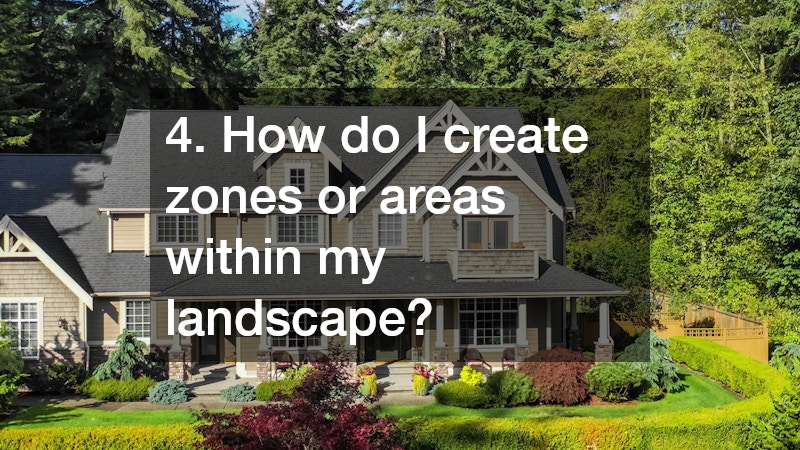
Creating functional zones is essential for optimizing the usability of your landscape. Identify key areas like recreation, relaxation, dining, and gardening to allocate specific purposes to each zone. Explore options like outdoor wedding venues or children’s play areas as additional focal points.
Assessment of available space aids in establishing these zones, each requiring different considerations for privacy, noise level, and accessibility. Utilizing landscaping contractor expertise can scientifically position zones to maximize efficiency and versatility. This structured approach enhances functionality without compromising aesthetics.
Establishing clear boundaries for each zone ensures that functional needs are met without sacrificing visual unity. Planting trees or installing fencing can visually separate areas while blending harmoniously into the existing environment. Pool contractors can provide expert advice on incorporating aquatic zones that dovetail seamlessly with other outdoor activities.
4.2 Design Layout and Flow
The design layout and flow of a landscape contribute critically to its overall accessibility and enjoyment. Paths and walkways facilitate movement through different zones, offering intuitive transitions between areas. Concrete lifting can level surfaces and add decorative pathways that guide visitors effortlessly throughout the landscape.
Gardens, patios, and lawns should be arranged to naturalize interactions, considering both movement patterns and sightlines. Ensure that the landscape design encourages ease of access to electrical company setups, lighting, and distinct outdoor features. This layout establishes a welcoming, functional space that supports smooth, flowing activities.
Effective use of symmetry and balance in design breeds coherence and order, instilling tranquility and organization in outdoor life. Integrating strategic landmarks or focal points like statues or water features serves to break monotony and add character to the flow. Well-planned design and flow showcase the harmonious relationship between form and function in the landscape.
4.3 Use of Hardscapes and Plant Barriers
Hardscapes and plant barriers play a dual role in both aesthetics and functional zoning. They create meaningful divisions that establish separate spatial uses while contributing texture and design interest. Collaborating with deck companies can provide innovation in using wood, stone, or metal as elegant hardscape solutions.
Mixed materials like flagstone or concrete pavers lend structured beauty, effectively delineating areas without traditional fencing. Plant barriers, such as hedges and shrub borders, add organic softness and greenery to the landscape. Planning with raccoon removal experts can ensure plant barriers do not attract unwanted wildlife, maintaining the landscape’s intended purpose.
Architectural elements like walls and patios anchor spaces, creating defined borders between functions, such as outdoor dining areas and playgrounds. Lighting enhances these elements, illuminating pathways and highlighting boundaries, strengthening zone definition and usability. Careful consideration of hardscape and plant synergy delivers both practical and charming landscape solutions.
5. What role does lighting play in landscape design?
5.1 Enhancing Safety and Security
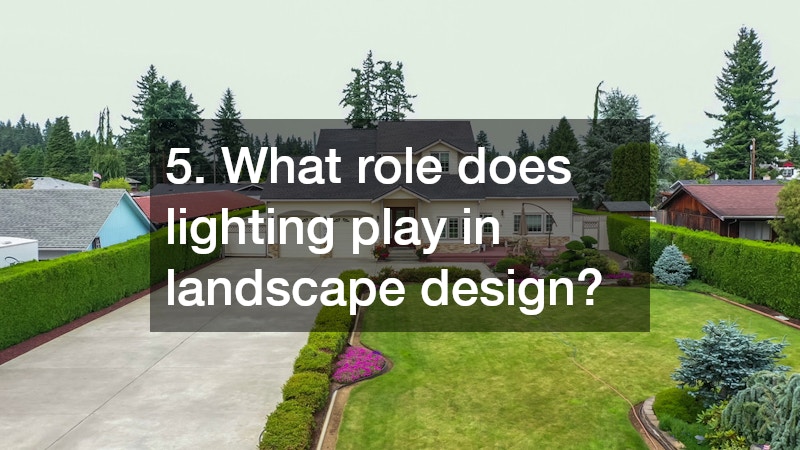
Outdoor lighting is indispensable in landscape design, greatly enhancing the safety and security of an area. Proper illumination deters potential trespassers by removing shadowy retreats and dark zones. Installation of pathway lights ensures clear visibility, preventing trips or injuries while navigating pathways.
Fixtures such as motion sensor lights act as both safety measures and security deterrents. They activate when movement is detected, startling intruders while reassuring residents. Electrician services can accurately set up these systems, ensuring both function and safety in complex outdoor environments.
Lighting strategically positioned at doorways and entry sequences assists in identifying visitors during evening hours. It fosters a feeling of welcome and peace of mind, reinforcing a sense of security in the residence. Secure lighting setups converge with landscape beauty, maintaining harmony at every angle and purpose.
5.2 Highlighting Features
Landscape lighting serves as a powerful tool to highlight chosen features, enhancing the design’s drama and aesthetic appeal. Whether accenting a standout architectural structure or a central water feature, lighting draws focus and adds dimensions. Employing a landscaping contractor skilled in outdoor lighting broadens these possibilities significantly.
Uplighting can illuminate tree canopies or stunning facades, emphasizing their grandeur. Downlighting subtly highlights statues or fountain splashes, delicately sculpting nighttime shadows that elevate evening experiences. Integrated designs from deck companies ensure that lighting coordinates seamlessly with highly visible structures.
Layered lighting techniques provide depth, generating interest and appealing play of light and dark across the landscape. Mixing various lighting styles, such as spotlights or diffuse lights, further reinforces visual dynamics but requires careful planning. Collaboration with electrical company specialists ensures optimal wiring and durable installations.
5.3 Creating Ambiance
Lighting shapes ambiance by creating distinct moods and atmospheres within an outdoor landscape. Dimmable fixtures allow users to transform bright functional lighting into a warm glow, suitable for intimate gatherings. This flexibility turns transitional spaces into personalized settings for different occasions.
Outdoor zones benefit immensely from carefully curated lighting schemes that elevate mood and sensorial experience. Soft-edged lights along garden borders craft tranquil environments for relaxation and conversation. Pool heater repair or water heater service technicians can skillfully ensure aquatic areas are elegantly illuminated, enriching ambiance for entertaining and leisure.
Combined with decorative lamps and hanging lights, landscapes transform into enchanting sceneries with refined ambiance. Effective use of color temperature, projection angles, and beam styles offers captivating visuals after sundown. Engaging proficient electrician services ensures installations are not just captivating but robust and enduring.
6. How can I incorporate hardscaping effectively?
6.1 Choosing the Right Materials
The choice of hardscaping materials fundamentally influences both the durability and aesthetic of a landscape. Type, color, and finish impact not just visual impression but also functionality. Consider local materials for a cohesive look that integrates with the existing architecture and regional sensibilities.
Material selection should prioritize durability, requiring consideration of climate intensity and maintenance needs. Natural stones, interlocking bricks, or engineered composites offer durability without sacrificing decorative potential. Consulting with landscaping contractors ensures informed choice-making tailored to specific project goals.
Materials such as wood and metal seamlessly blend with nature-themed designs, creating a harmonious feel. Concrete lifting techniques ensure resilient and long-lasting placements even for large volume installations. Popular choices balance aesthetics with practicality, ensuring material longevity while exuding beauty in every layer.
6.2 Balancing Hardscapes and Softscapes
Balancing hardscapes with softscapes is vital for maintaining harmony and visual appeal. Hard features such as patios, paths, and retaining walls need to be well complemented by greenery, flowers, and water features. Thoughtful planning creates secure and engaging transitional spaces between structured and organic areas.
Softscape plants frame and soften the edges of hardscape elements, adding texture and color contrast. Varying heights in vegetation can cloak walls or outline paths, blending formal and natural lines. Working with deck companies allows seamless integration between these elements, enhancing organic flow.
Balancing allows adaptable seasonal change as softer elements adjust to temperature shifts, while hardscapes maintain architectural integrity. Mulches, vines, or skins of gravel on hardscapes emphasize natural integration while providing understated decoration. Perfecting this balance fosters a profound sense of cohesion within the landscape design.
6.3 Planning for Durability and Maintenance
Planning for durability and maintenance is paramount to the persistence and quality of hardscape installations. Choosing materials based on environmental exposure and long-term usability prevents frequent repairs and replacements. High-quality installations, achieved through professional landscaping contractors, optimize beauty and functionality.
Regular inspection and repair, such as crack sealing and gutter maintenance, preserve function and prevent structural decline. Using products like sealants extends the life of concrete surfaces and wooden decks, protecting against weather or decay. These measures ensure lasting enjoyment and preserve integrity for years.
Design choices should emphasize features that reduce erosion and support drainage, integrating functional reliability. Durable hardscape installations require diligent planning from conception through execution, maintaining allure and performance over time. Professional consultations with pool contractors and other experts integrate practical considerations with creative ambition.
7. What should I consider when selecting plants for my landscape?

7.1 Climate and Environment Suitability
Choosing plants that suit your climate and environment assures healthy growth and vibrant landscapes. Key considerations involve temperature tolerance, sunlight exposure, and precipitation compatibility. Landscaping contractors possess extensive knowledge of local conditions, providing insights into plant families that thrive best.
Select perennial shrubs or trees adapted to local climate, ensuring lower rates of disease and pest activity. Adaptable plants offer resilience to the local environment, withstanding temporal shifts better than exotic alternatives. They not only reduce water inhibitor usage but also minimize resources.
Setting goals for a functional and attractive landscape helps bring clarity and direction to the entire design process. When homeowners define how they want their outdoor space to look, feel, and function, every decision—from layout to plant selection—serves a clear purpose. With thoughtful goals in place, the landscape becomes easier to plan, easier to maintain, and more enjoyable to use for years to come.